< Home
W20 - FINAL PROJECT
My final project will be based on a superlocal weather station for educational learning. Designed as a starter kit for environmental data collection, the device will gather realtime information from 4 different weather sensors: a wind gauge, a rain gauge, a thermometer and a humidity sensor.
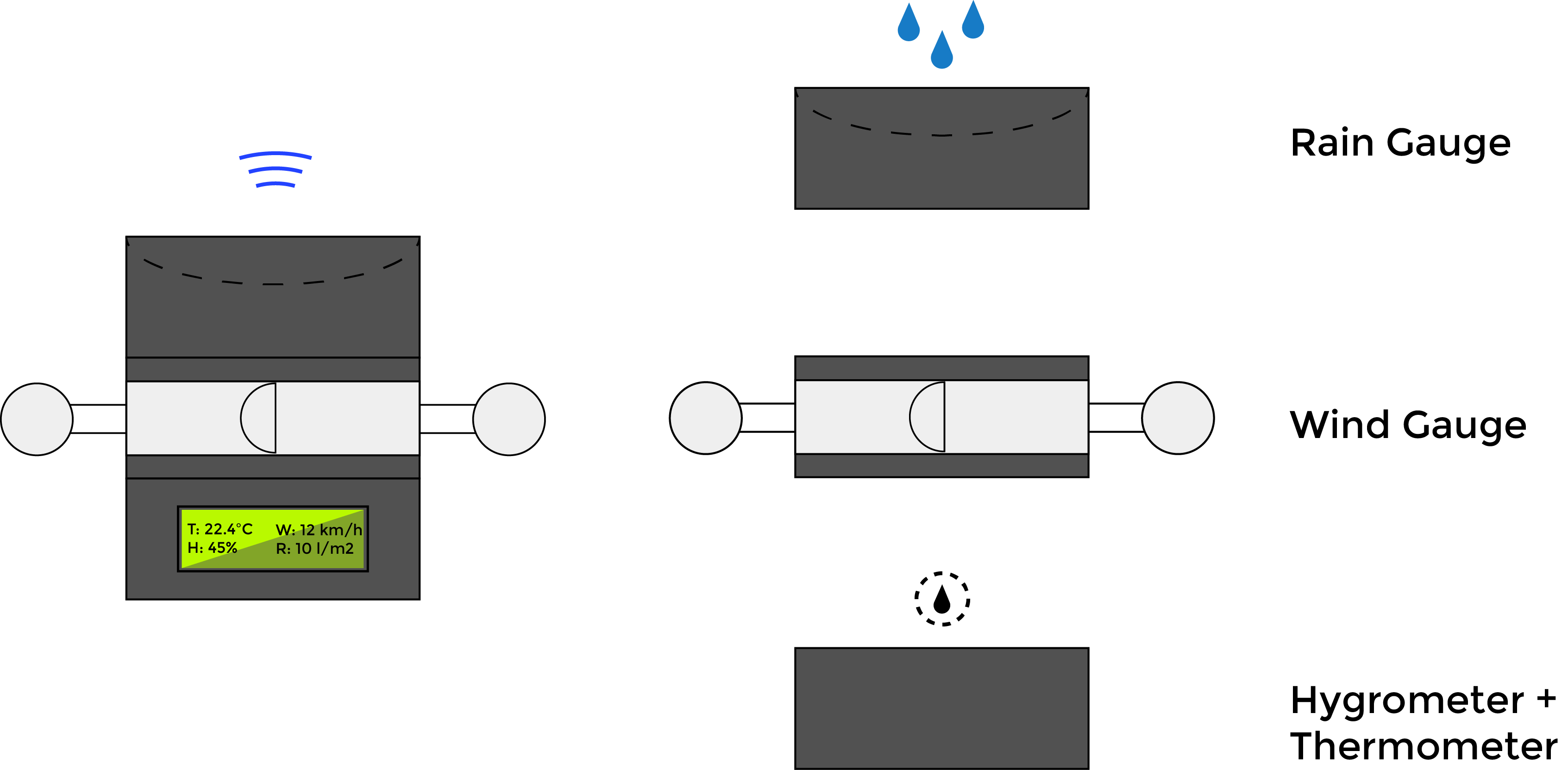
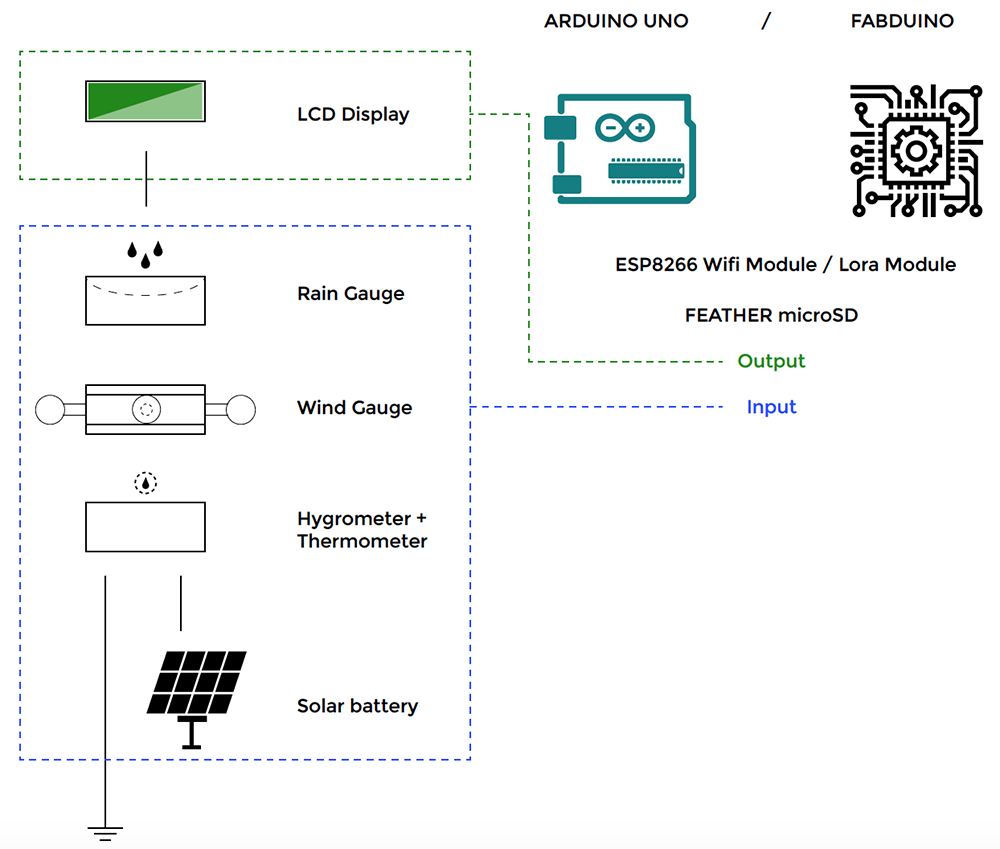
The data collected by the system will be stored in a miniSD card, also displayed on a LCD screen, and hopefully, sent via a low-power wide-area network called LoRa. It can reach distances up to 10km in rates below 50kbps.
This kit is designed to be used in rural areas where there is a profound lack of realtime weather information not just average, or maximum and minimum rates
Original idea
The original idea takes as a reference a project I worked on 2 years ago for my Final Degree Project. The idea was to bring and adapt urban rainwater harvesting systems to rural areas where the climate change and conditions did not make profoundly aware to many people who's working lifes are so dependent on that issue.
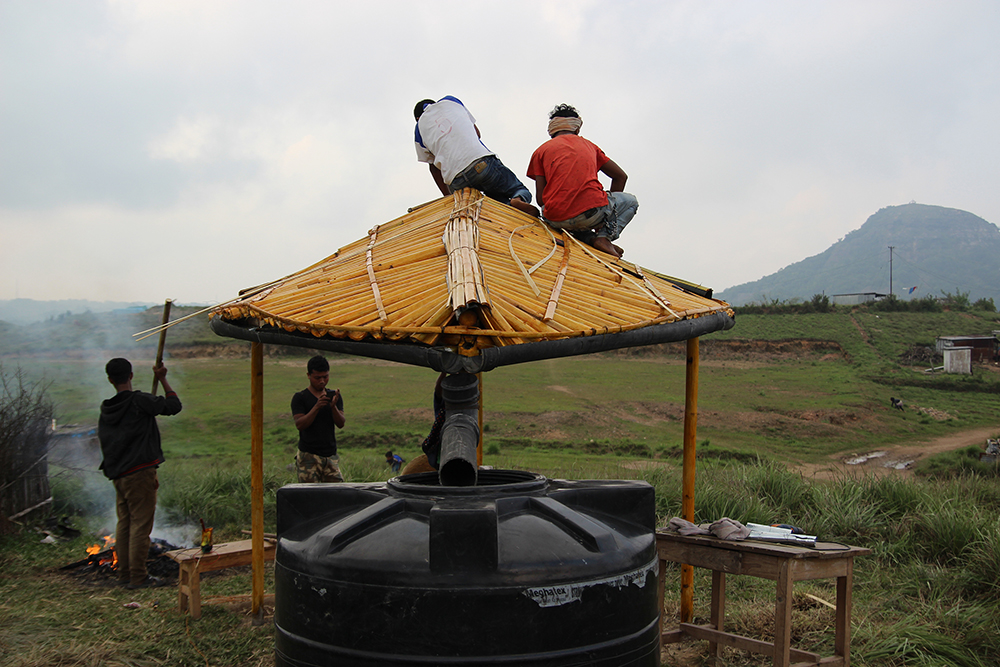
Therefore, with the help of woodworkers in the rainy area of Mawsynram, Meghalaya (India), we ended up building a rainwater harvesting structure made of bamboo for the playgraound of a primary-high school nearby. The idea was to make the people, specially future geneartions to be aware of the importance and potential of understanding environmental and natural issues that affects their daily lifes.
This project just worked as an isolated structure to gather a small quantity of water, empowering its symbolism as a reference of what it meant. Furthermore, deeper environmental systems should be developed for this structural space as a meteo station to become a tool for measuring the data from the environment due to the lack of this kind of data among these rural areas. That is why I for the final project I will focus on designing and producing this device to be easily used as a data receiver and sender.
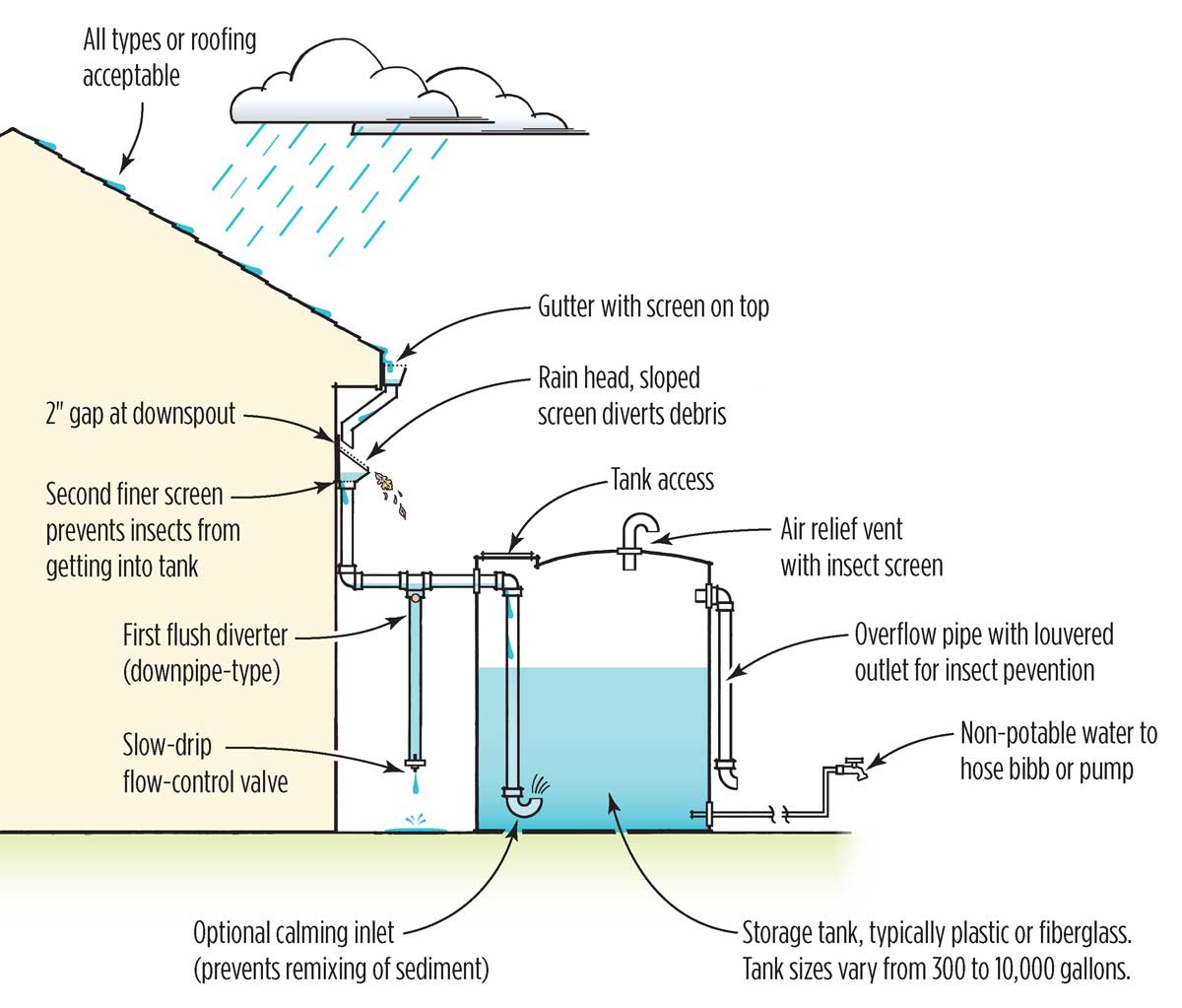
Rainwater Harvesting System
This diagram explains the components and functions of an average rainwater harvesting system.
References
_WATER HARVESTING STRUCTURES
These examples are structural constructions that work differently several ways for collecting or processing water.
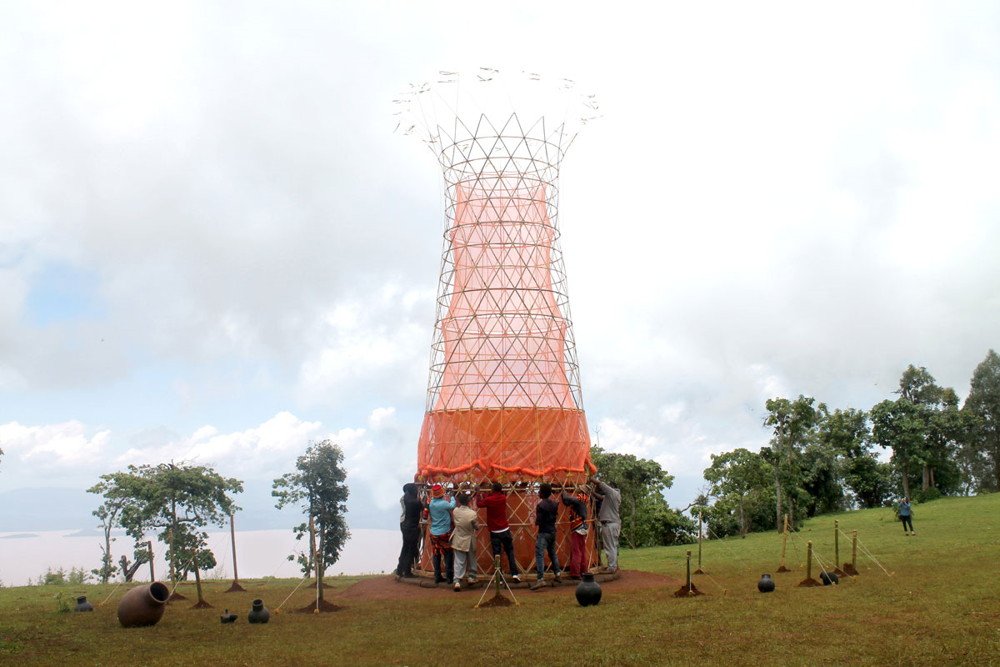
Warka Water in Ethiopia.
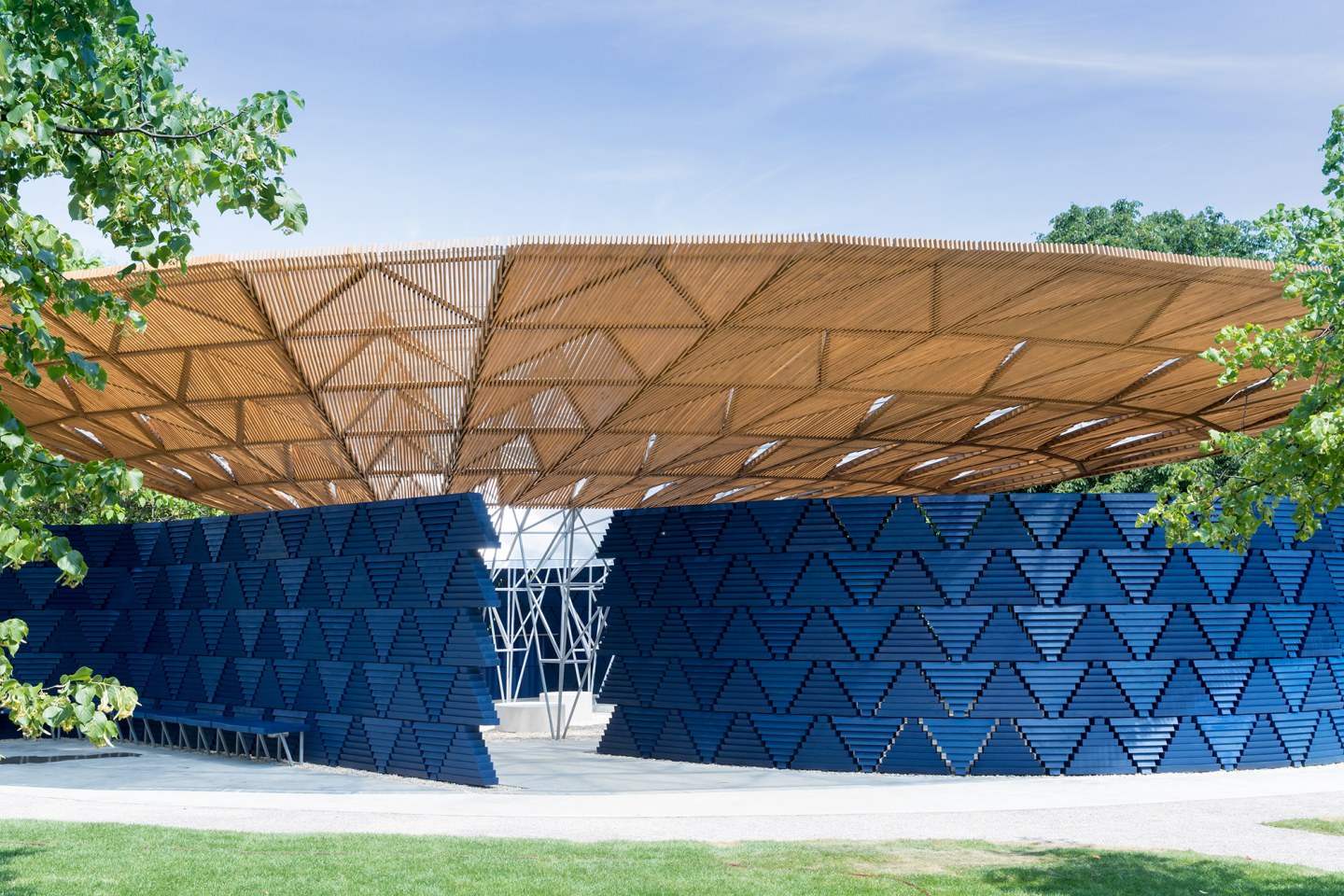
Serpentine Gallery Pavilion by Francis Kere.
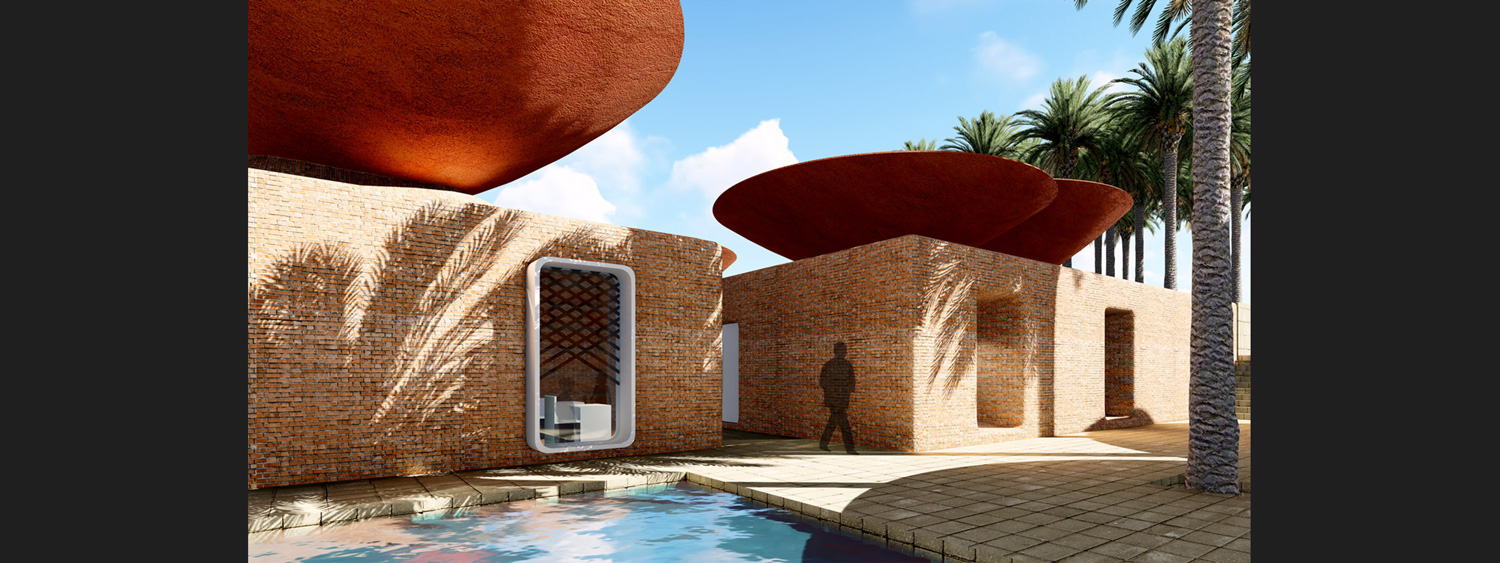
Primary School in Iran, designed by BMDesign Studio.
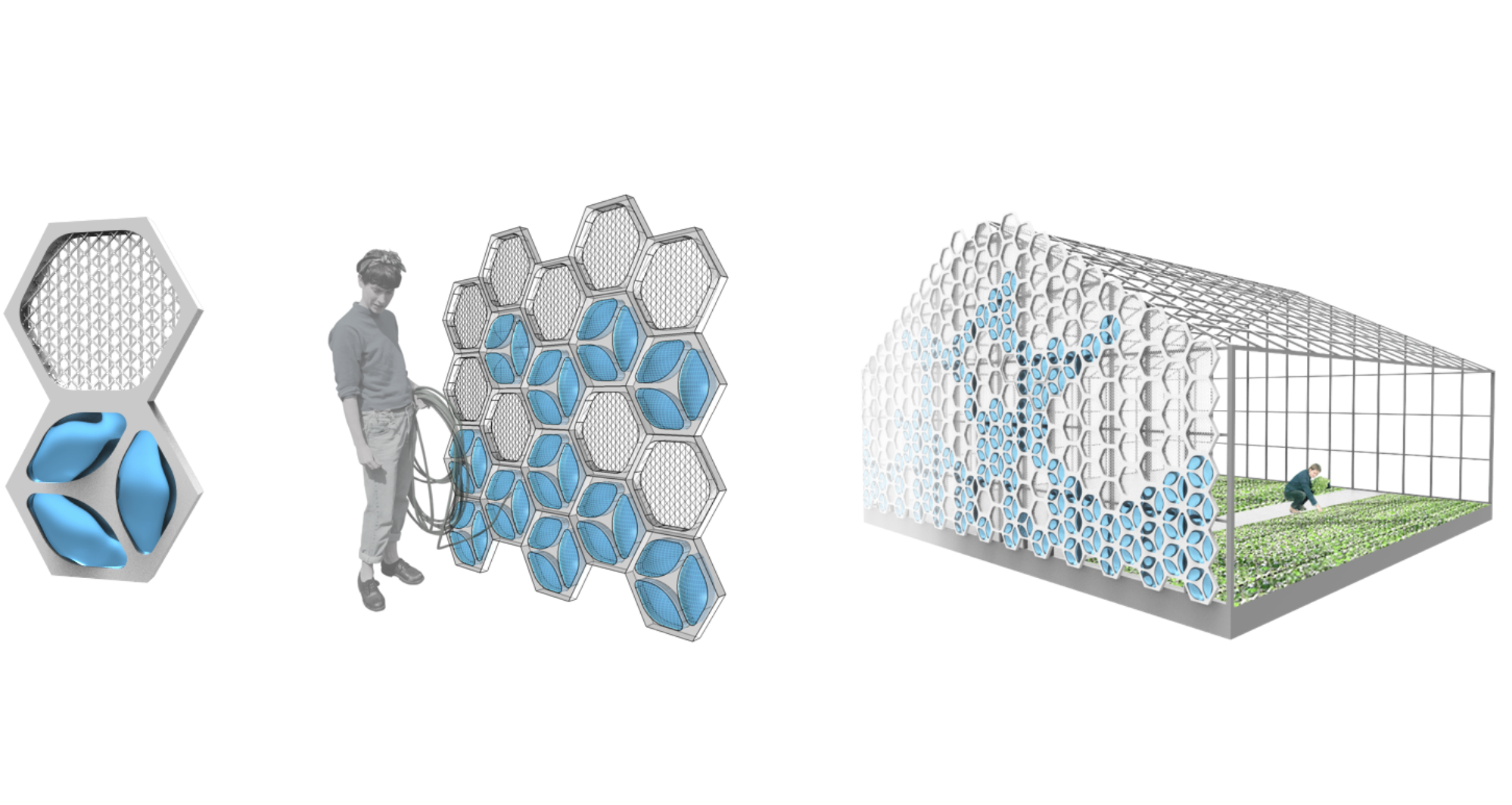
AquaWeb Hydroponic system, designed by Nexloop.
_WEATHER STATIONS
There are two interesting projects that I took as referents in terms of the concept of the system, as well as the mechanical and software components they used.
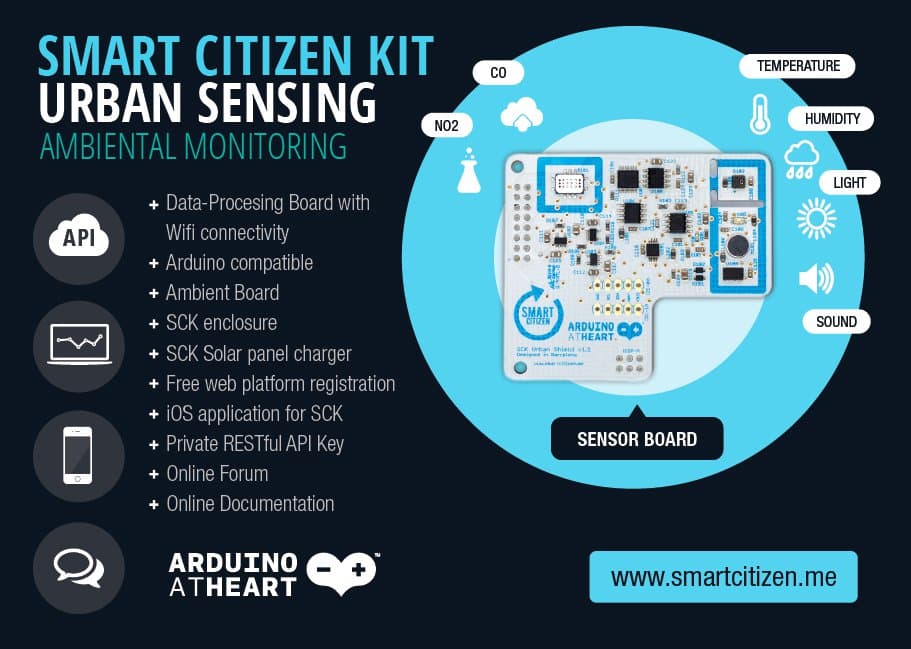
The first one is Smart Citizen. A project that was developed in Barcelona FabLab:
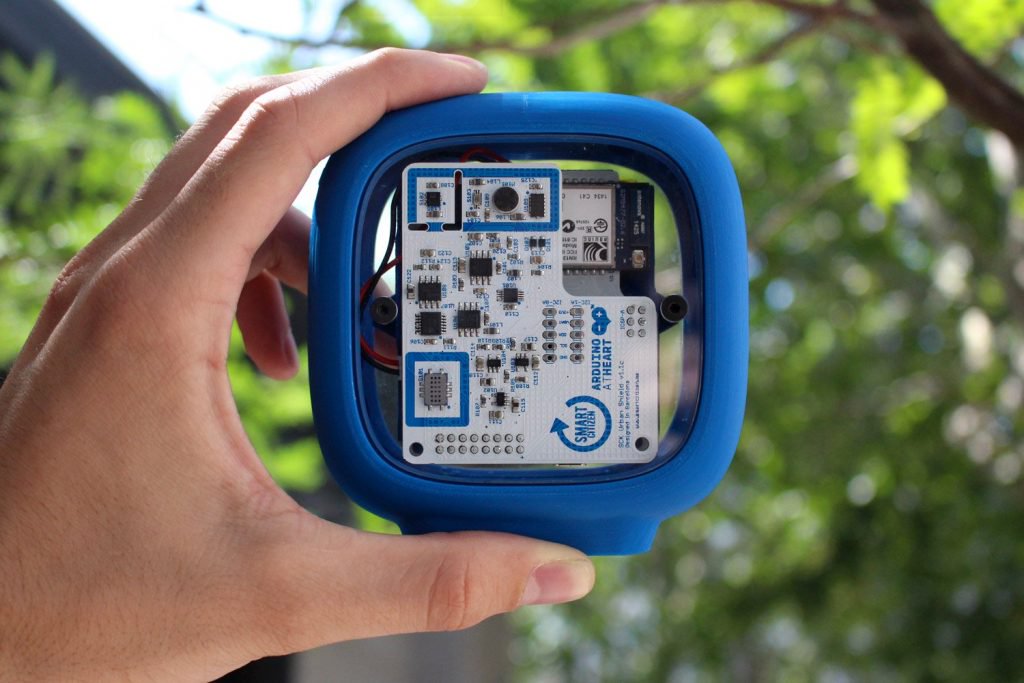
This device is used to capture, analyze and share data from urban environments within an open source development community. The technology used is based on arduino and the information is available to public on their own Smart Citizen platform.
The different sensors included on the device can be seen on the picture below.
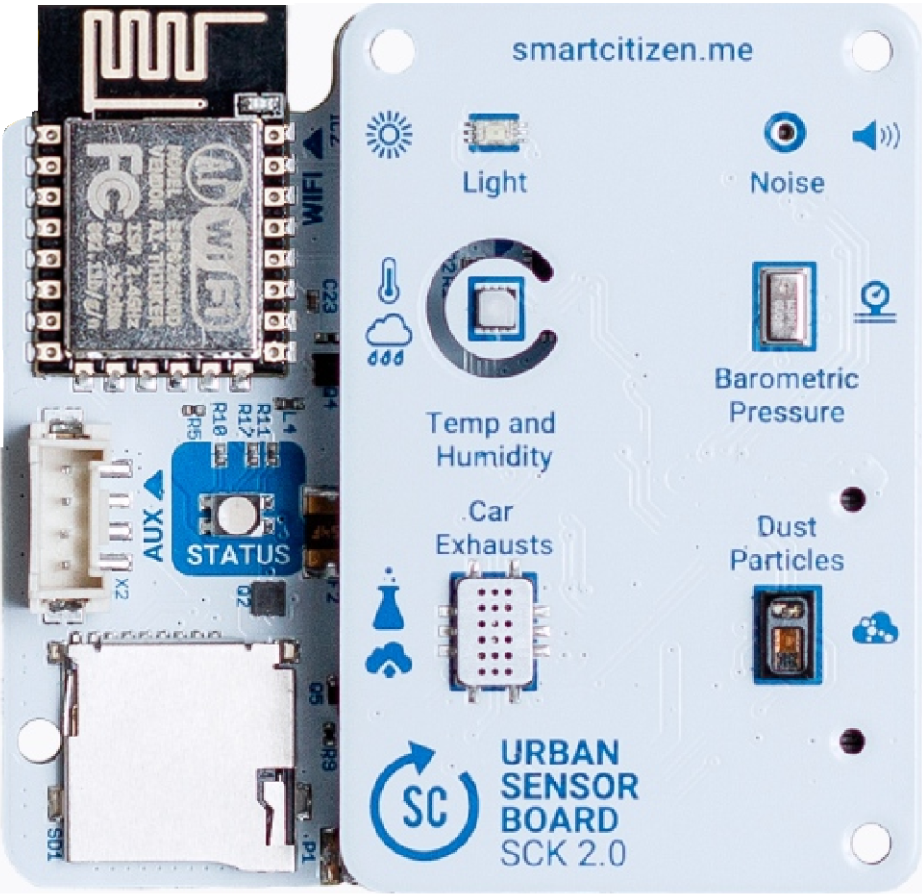
The main difference between the concept of my project and the one from Smart Citizen, is the context of use that defines the system. The Smart Citizen device is set mainly for urban areas that need to detect not just pollution but also noise rates; whereas my system is focused on rural areas, specially the ones facing windy and rainy conditions. That is why the sensor gauges as well as the production process will surely change.
The second referent I found useful for my project is another open source project from Brazil called Pluvi.on.
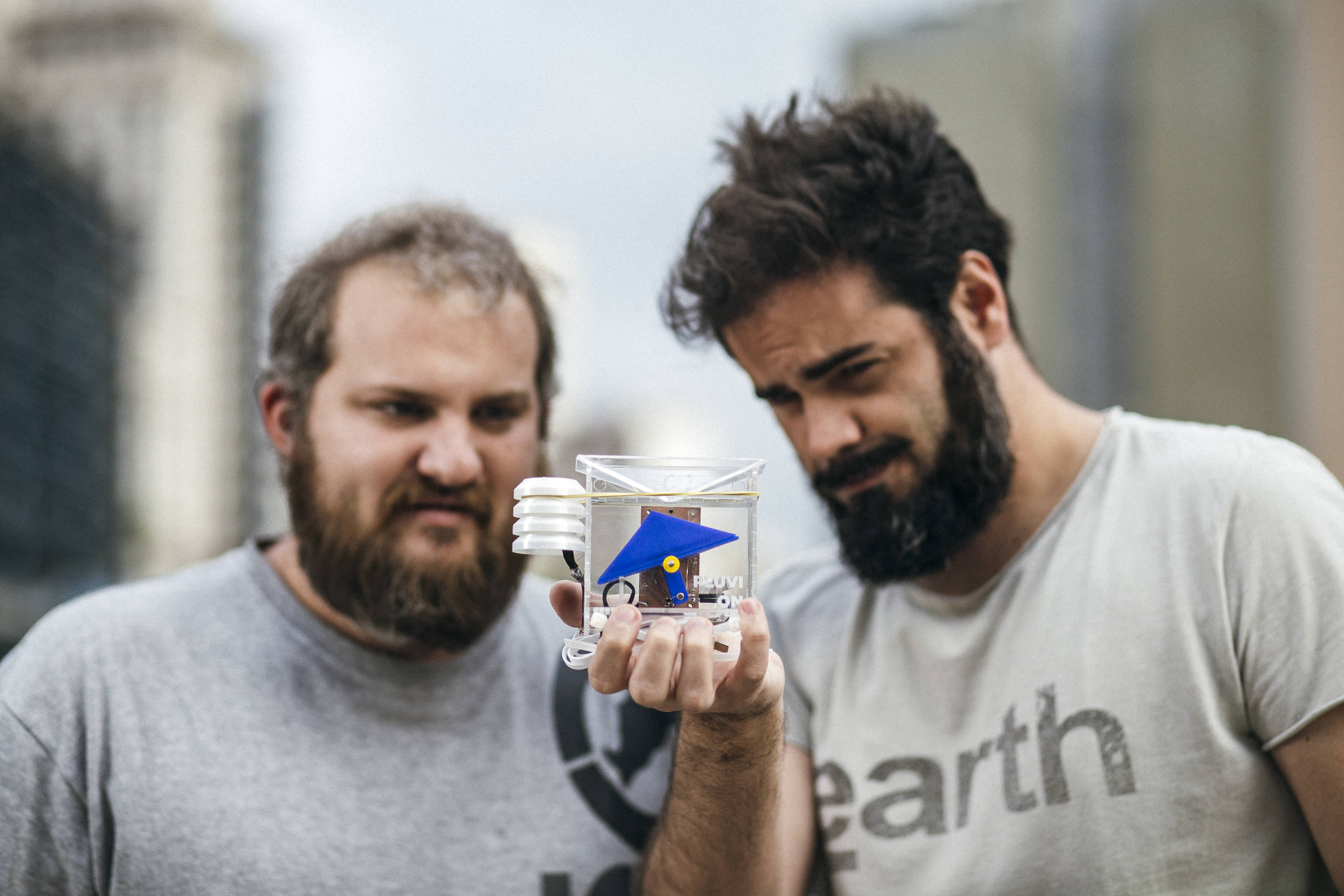
This system is similar to the Smart Citizen project as a climate monitoring system, but the production focus is meant to be projected widespread and adaptable to new redesigns and new open source systems.
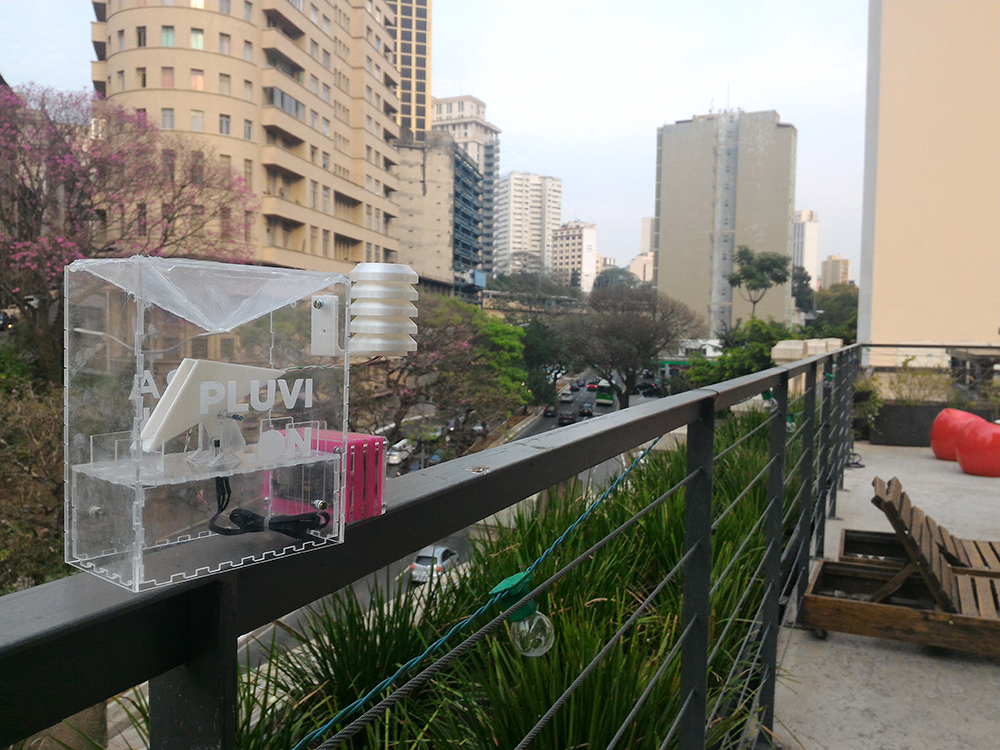
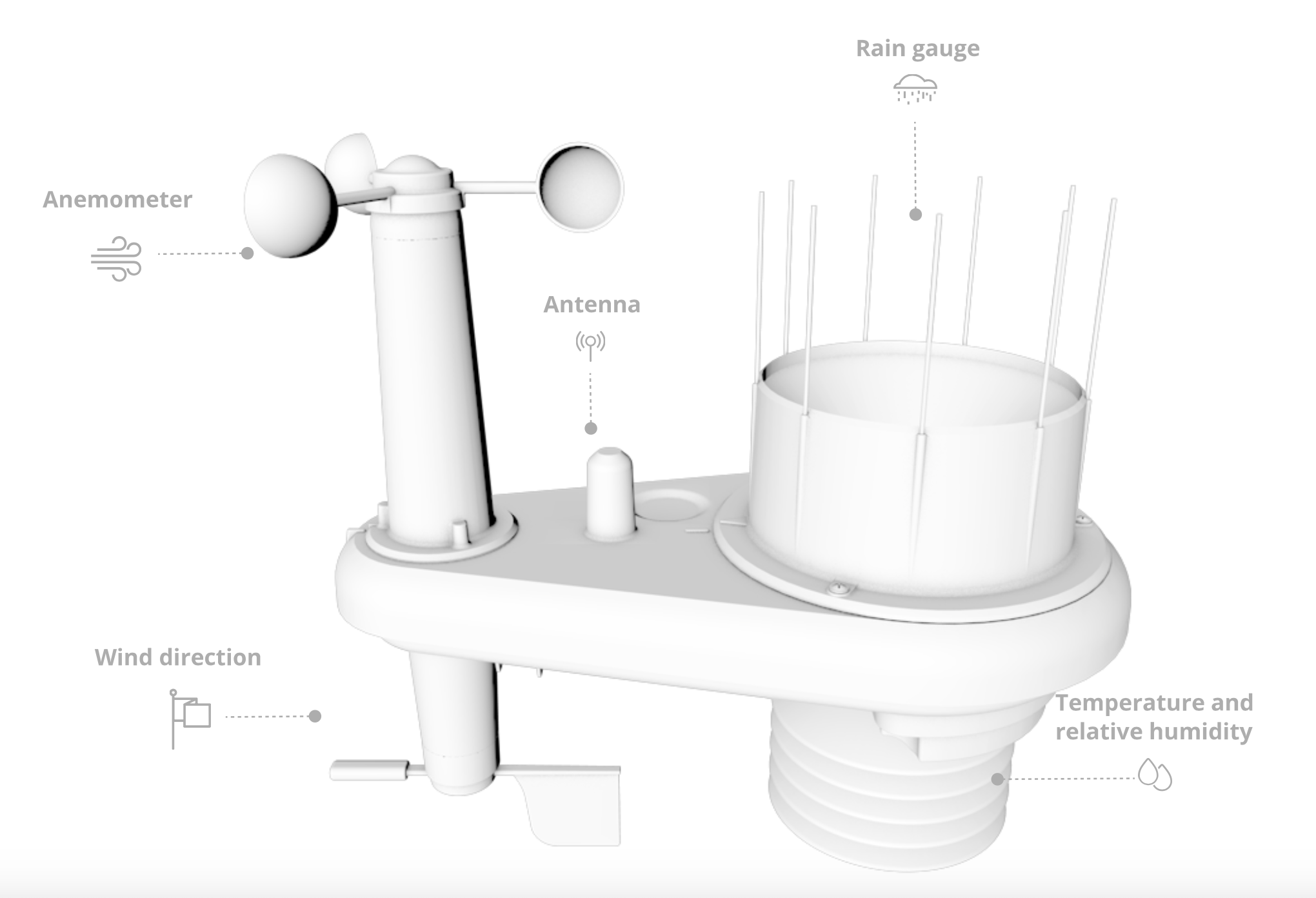
The original device has similar climate measurement tools that I need such as the wind gauge and the rain gauge. On the following image, we can see the new redesign of the device, more compact and reliably produced.
Concept
Rough ideas
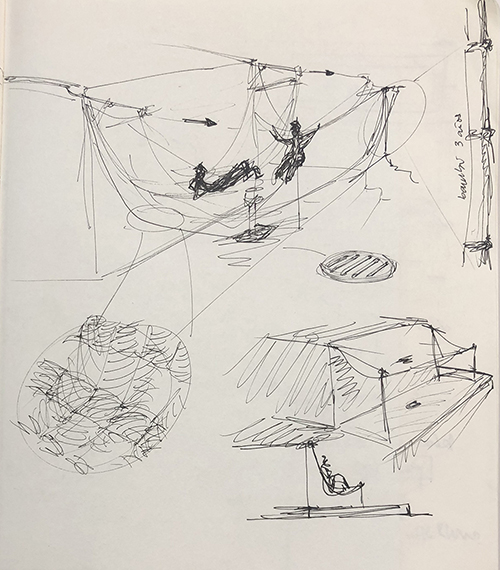
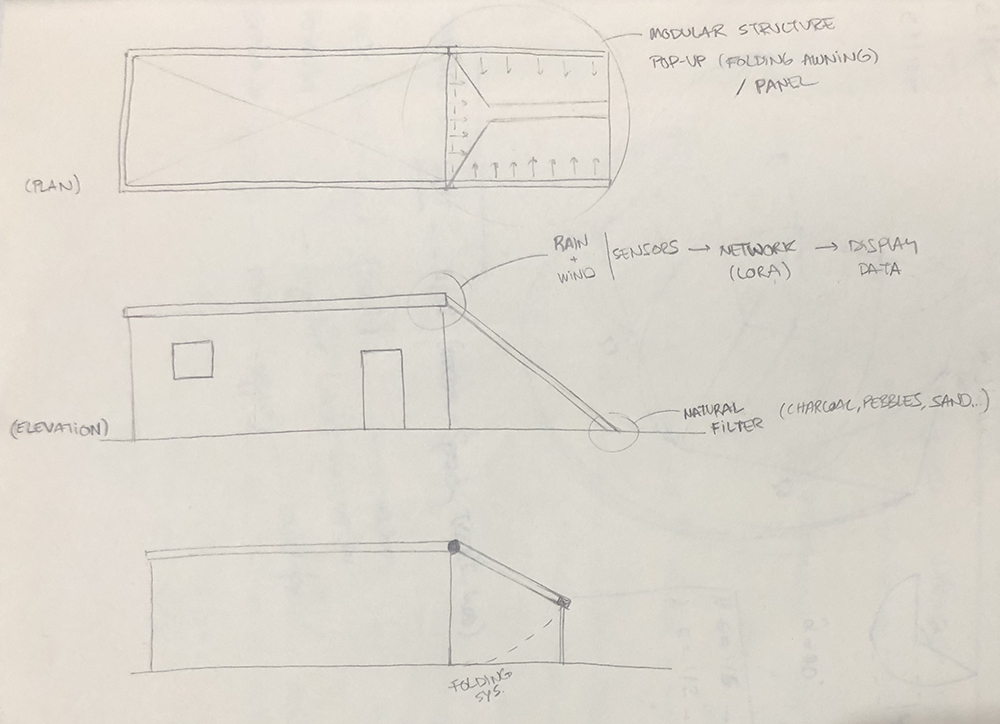
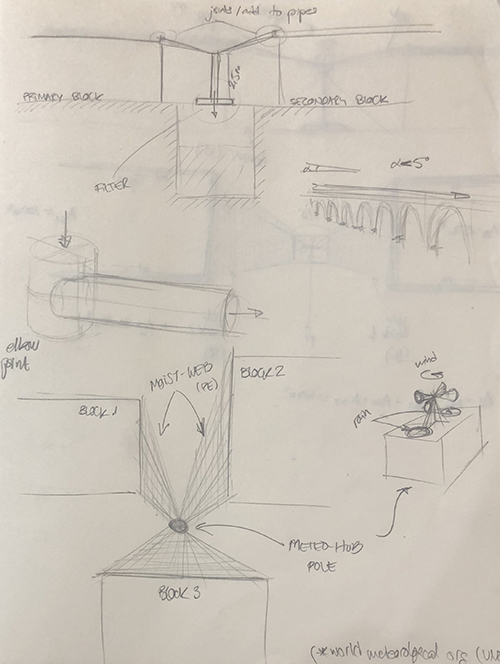
These are some ideas I came up with to adapt the system for different cases.
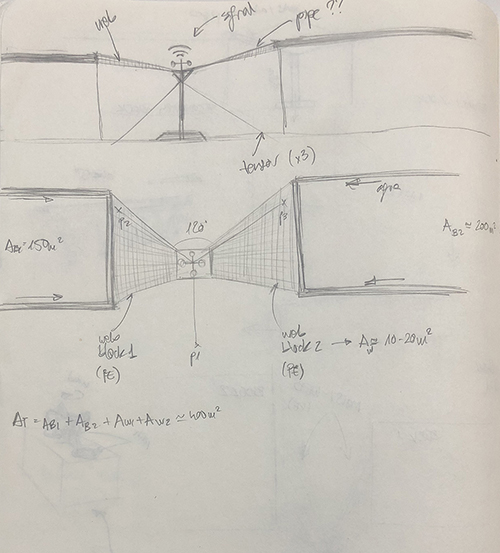
System diagram
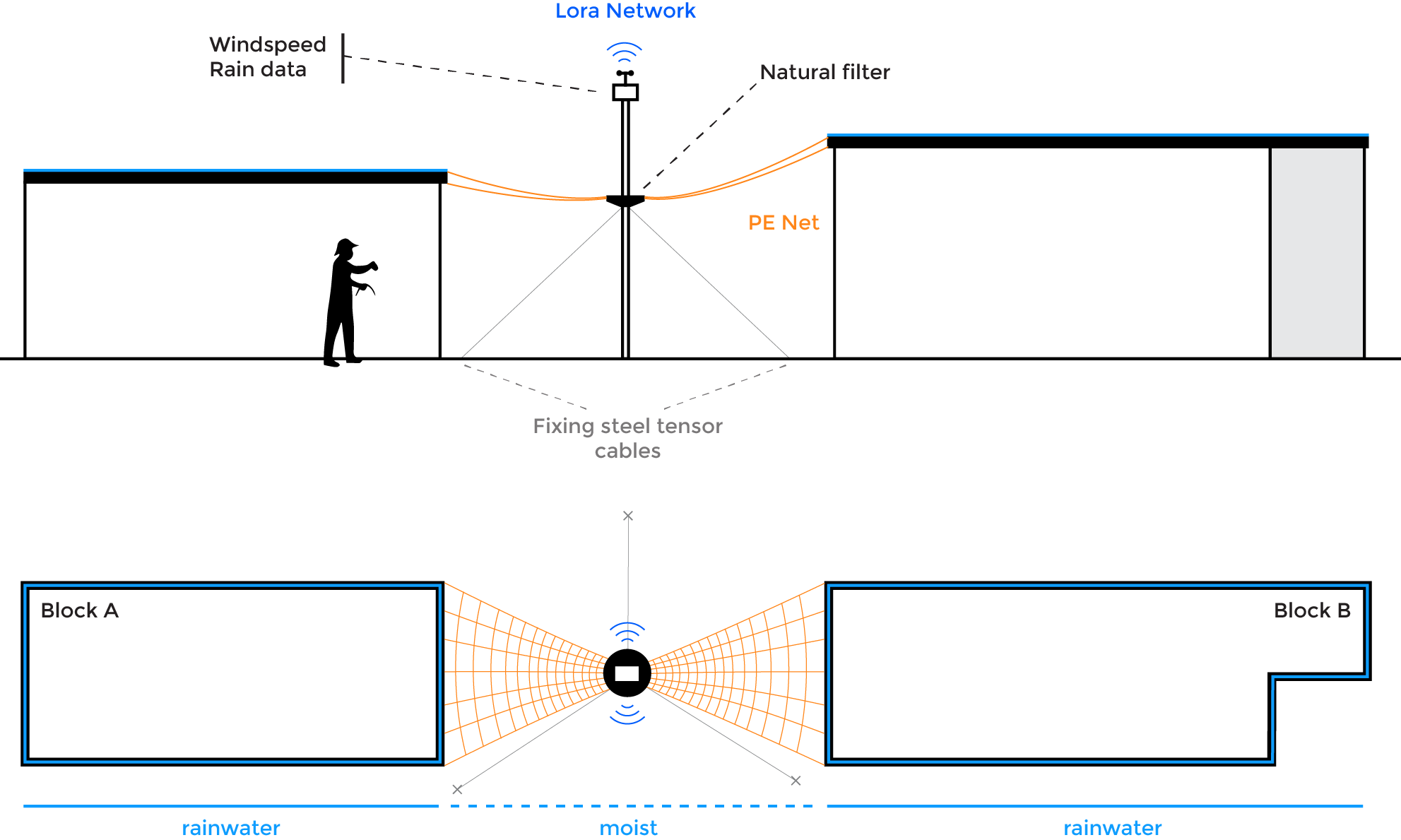
The system may include a wind + rainwater data base on top of a pole, fixed to the ground by steel cable tensors. The data obtained by the system should be sent by Lora network to local devices to read and store the info.
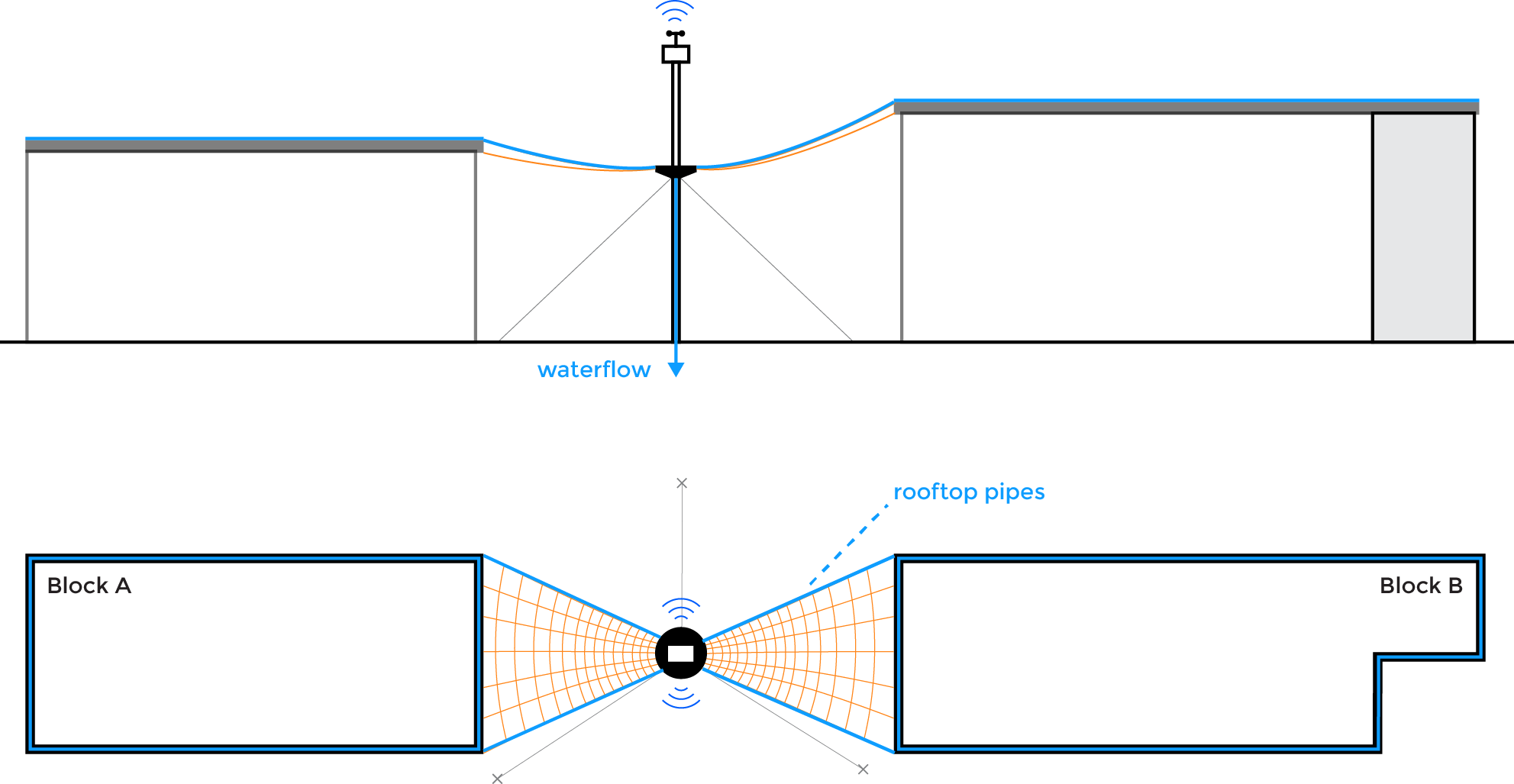
On the second level, there'll be a natural filter that will clean the water coming from the rooftop and the moist collected by a PE net direct from the rooftop as well. All the water collected in the system will flow down the pole, so that it can be conserved in plastic water tanks for domestic use.
Materials
The list of materials used for this project should be accesible and suitable for many situations. As the reference project was held in a rural and rainy area, where there was poor access to many affordable goods and tools for fabricating or reparing any mechanism, the idea of the project is to take advantage of the natural and waste material resources to create their own systems. For structural constructions, any work material such as bamboo canes, metal tins and plastic nets or covers, should be implemented on the design of the system.

Bamboo's natural conditions make it an interesting material to use as a pole.
On one side I will design all the electronic board I may need, similar to the Fabduino board, with an ATMega328p microcontroller, and modular shield boards for the sensors: DHT22 (temperature and humidity), the wind gauge system components (DC motor vs magnet + hall sensor), rain gauge; and also I2C for LCD display, miniSD card, and ESP8266 wifi module.
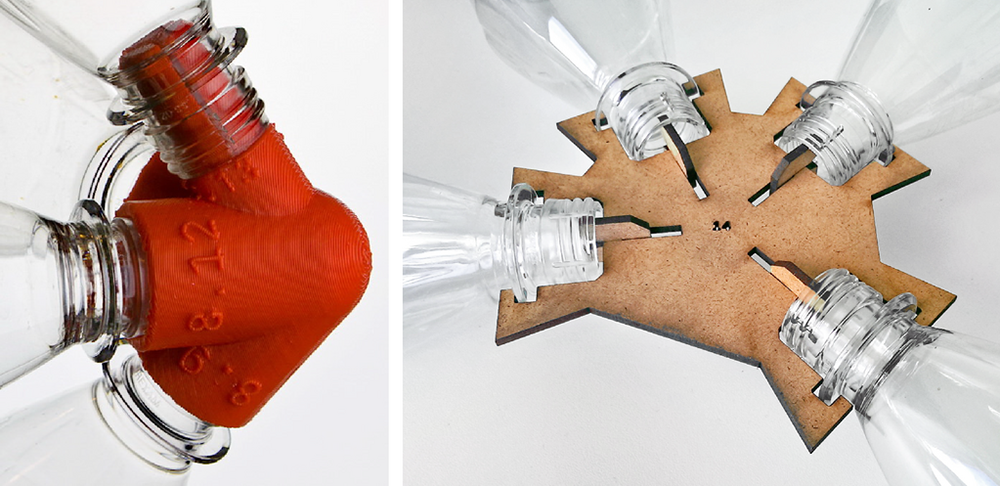
I will also design the container that will enclose all the components. This case should be made of recycled materials such as plastic bottles and trash.
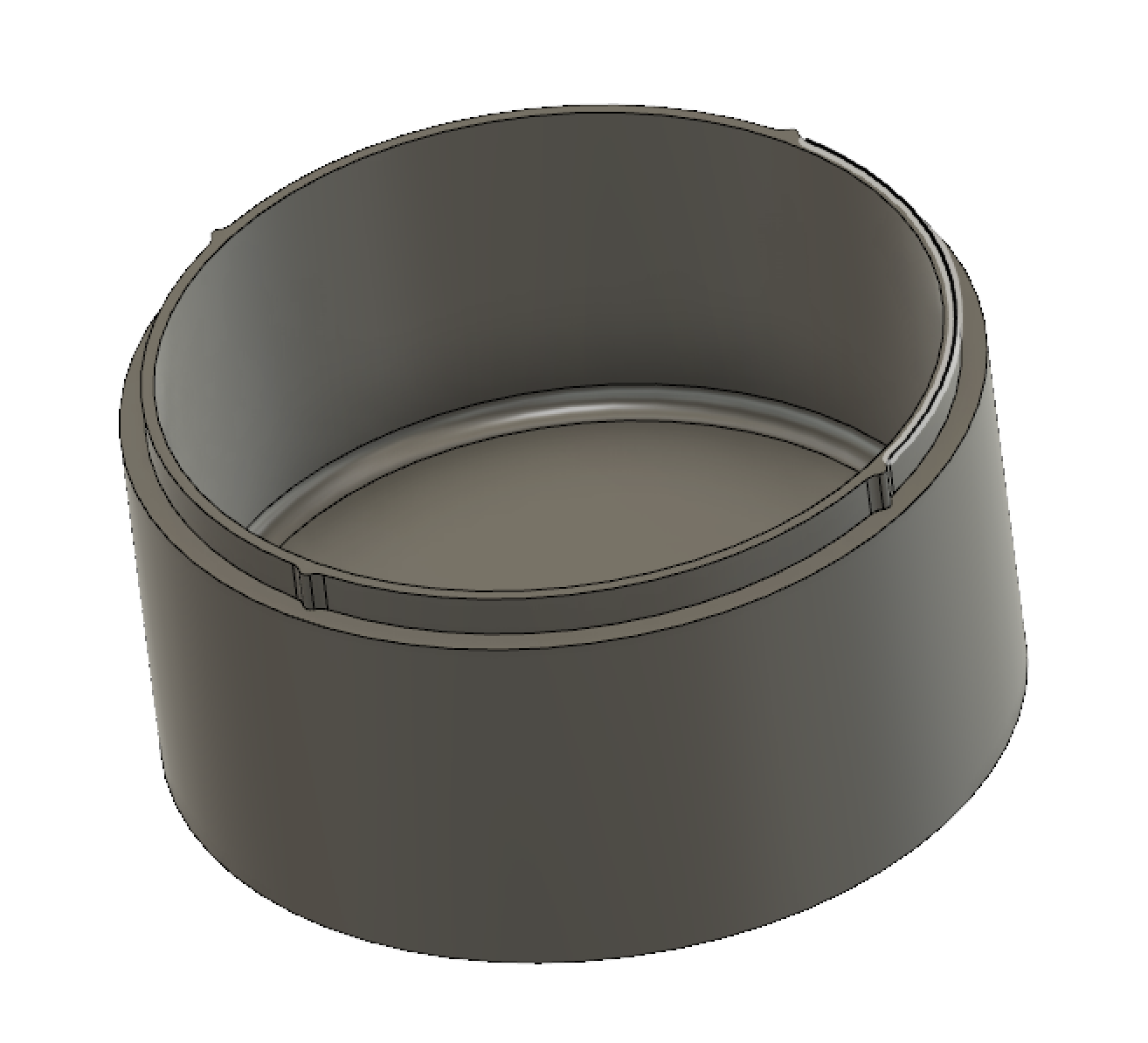
Furthermore, all the sensor gauge hardware elements for the anemometer and the pluviometer, should also be produced and even any extra gadget that may add an extra value to the system and make it adjustable to different positions.
I may also need all the materials required for most electronics production, such as pcb board, electronic components, shields, programmers, sensors, etc. For the rest of the system, I chose:
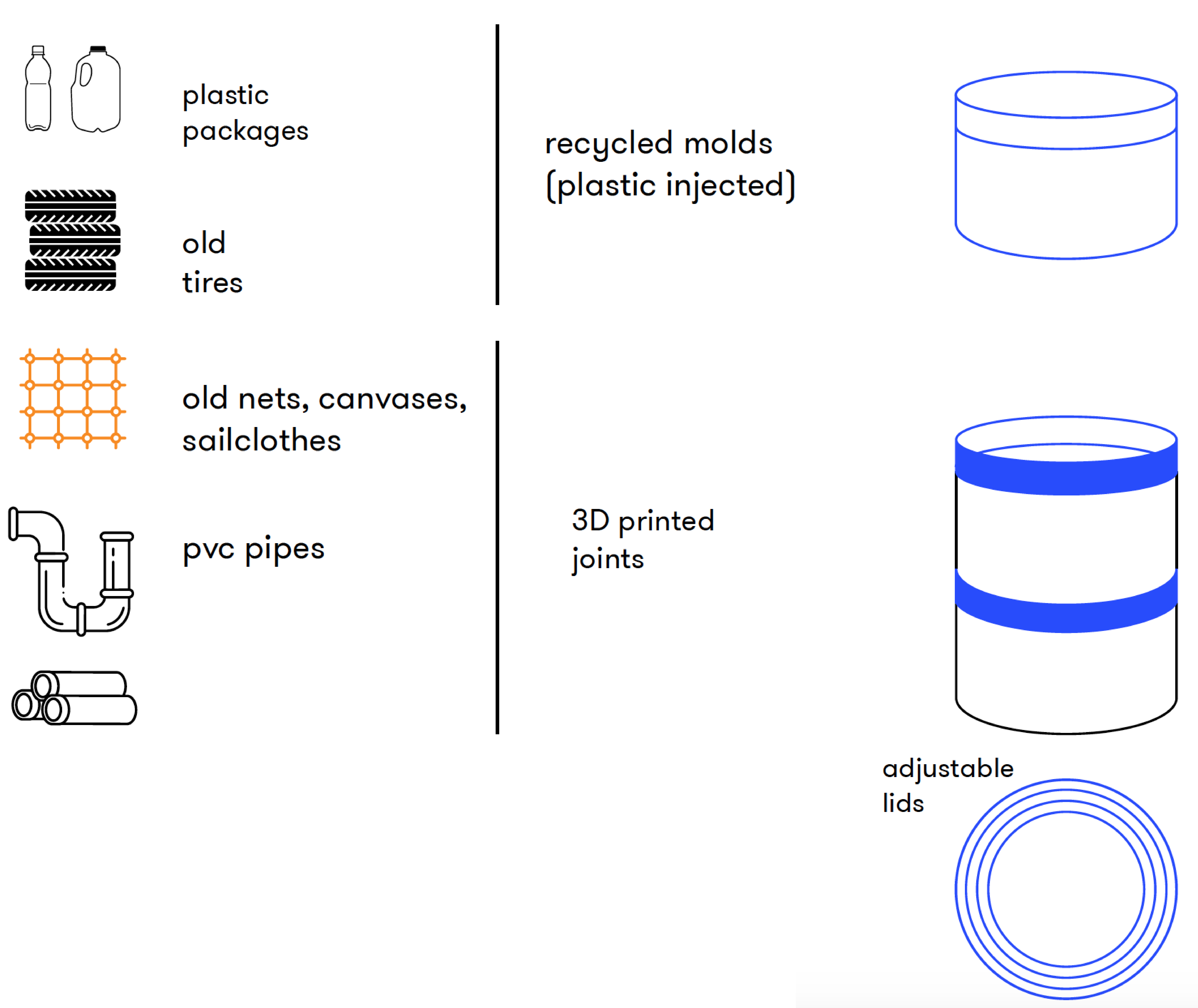
Here there are some references I took that could be part of the source of my materials:
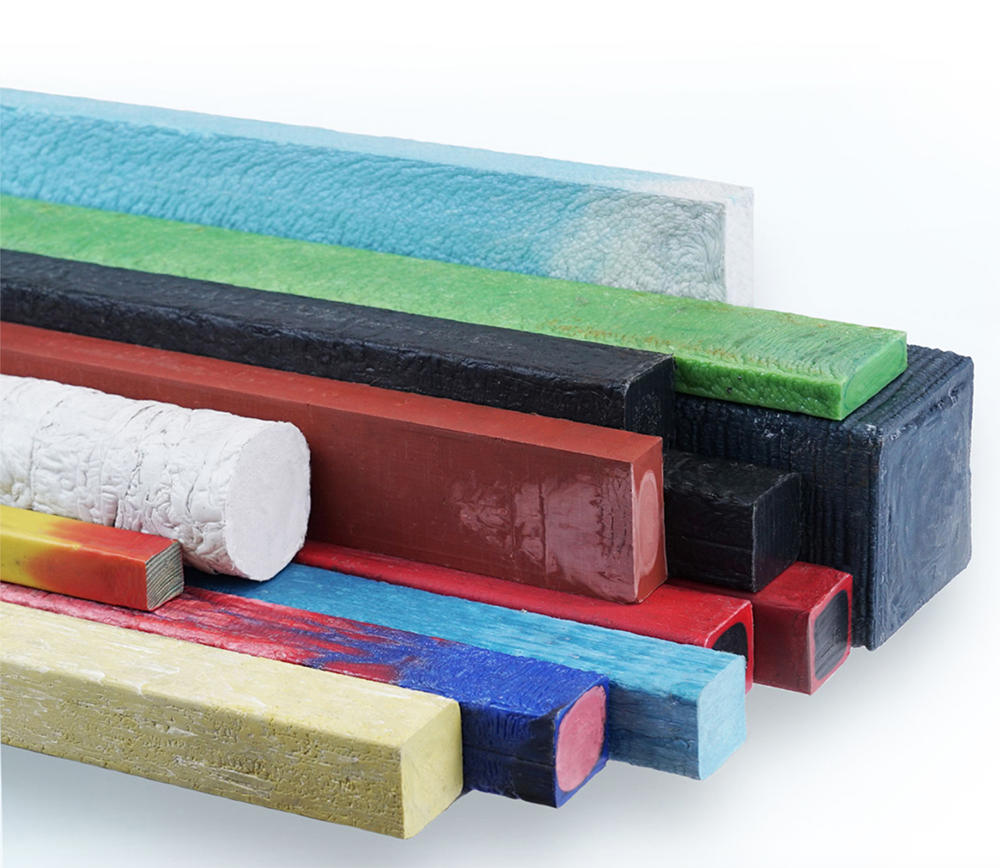
- Precious plastic
- TrussFab from Hasso-Platte-Institut
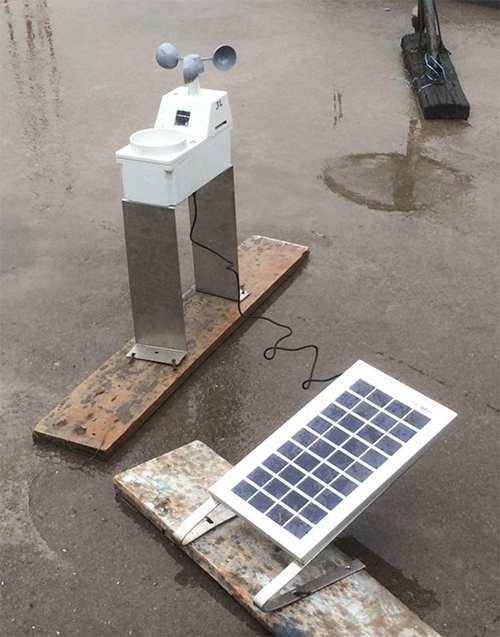
This wind and rainwater data meter is a simple example that is used in some rural areas to get and send data to cellphones via SMS. I would use something similar but connected to Lora network to share the data.
Components

The next diagram shows the two options I explained on the previous question. In both cases, the scheme of components and functions are the same.
Fabrication processes
The fabrication processes used for the case, joints and hardware production should be made by 3D printing, molding and laser cutting.
For the electronics production, I will use PCB milling, components soldering, programming and debugging.
The rest of the project will include software programming, and network and interface design.