MOLDING AND CASTING
Assignment
The group assignment was to:
- Review the Safety Data Sheets (SDS) for each of our molding and casting materials.
- Make and compare test casts with each material.
- Compare different mold-making processes.
Materials Selected
For this group assignment, we selected two materials for testing:
| Material | Product | Application | Mixing Ratio |
|---|---|---|---|
| Silicone Rubber | RTV-820 | Mold making | 100:3 by weight |
| Epoxy Resin | Crystal Clear Epoxy Resin | Casting | 1:1 |
Safety Standards: RTV-820 Silicone Rubber
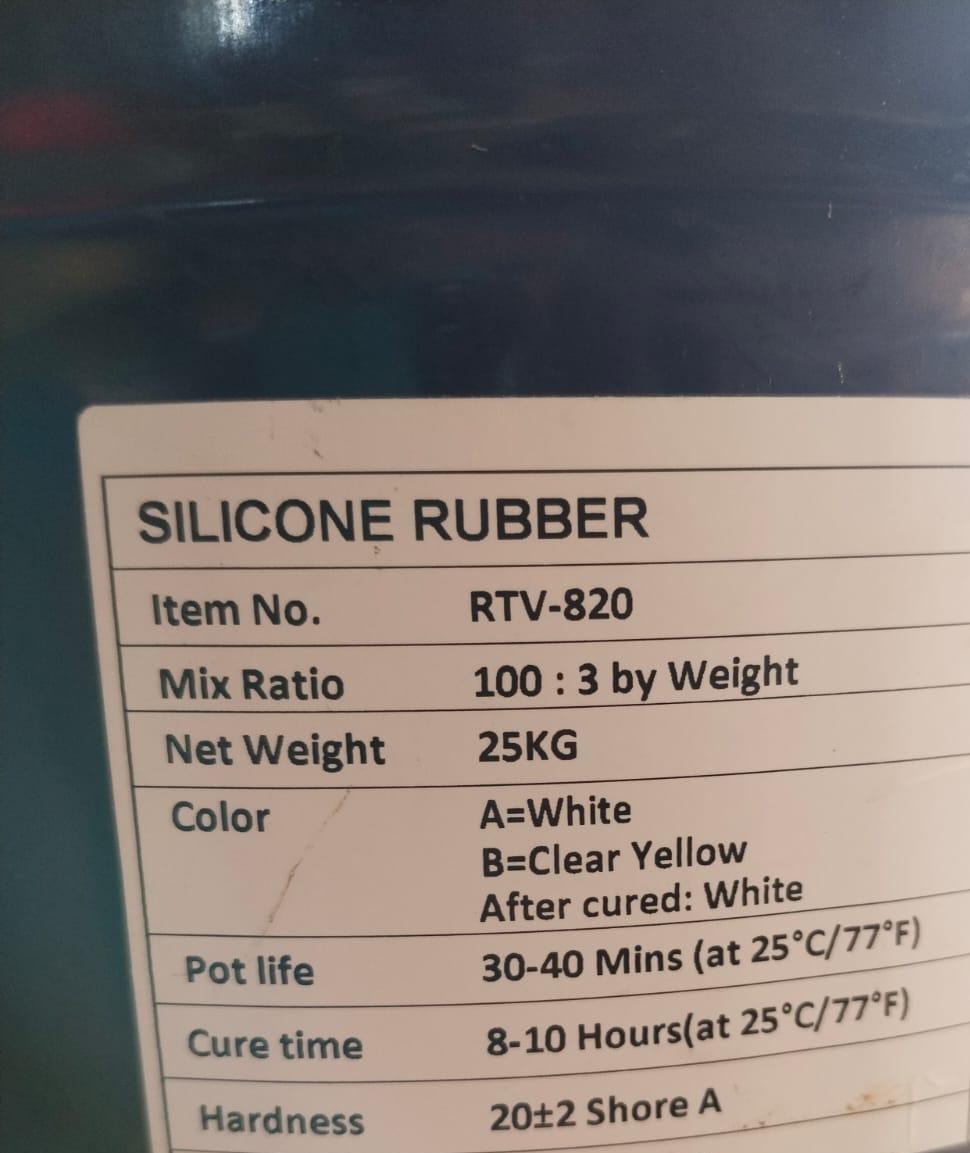
1. Personal Protective Equipment (PPE)
- Wear chemical-resistant gloves compatible with the silicone base and curing agent.
- Wear chemical splash goggles when measuring, mixing, and pouring the material.
- Wear protective clothing to prevent skin contact.
2. Safe Handling
- Work in a well-ventilated area.
- Avoid direct contact with uncured silicone and the curing agent.
- Avoid splashing the material into the eyes or onto the skin.
- Wash hands thoroughly after handling the material.
- Do not eat or drink in the work area.
3. Storage
- Keep containers tightly closed when not in use.
- Store in a dry place, away from direct sunlight and excessive heat.
- Follow the manufacturer’s storage temperature and shelf-life recommendations.
4. First Aid
- Skin contact: Wash thoroughly with soap and water. Seek medical advice if irritation develops.
- Eye contact: Rinse cautiously with clean running water for at least 15 minutes and seek medical attention.
- Inhalation: Move to fresh air if irritation or breathing difficulties occur. Seek medical assistance if symptoms persist.
- Ingestion: Rinse the mouth with water. Do not induce vomiting unless instructed by a medical professional. Seek medical advice.
5. Spill Management and Disposal
- Avoid direct contact with spilled material and wear appropriate PPE during cleanup.
- Prevent uncured material from entering drains, soil, or waterways.
- Collect spills using a suitable absorbent, following the manufacturer’s instructions.
- Dispose of uncured material and contaminated waste according to the product SDS and local waste-management requirements.
- Dispose of cured silicone according to local regulations.
Safety Standards: Two-Part Crystal Clear Epoxy Resin
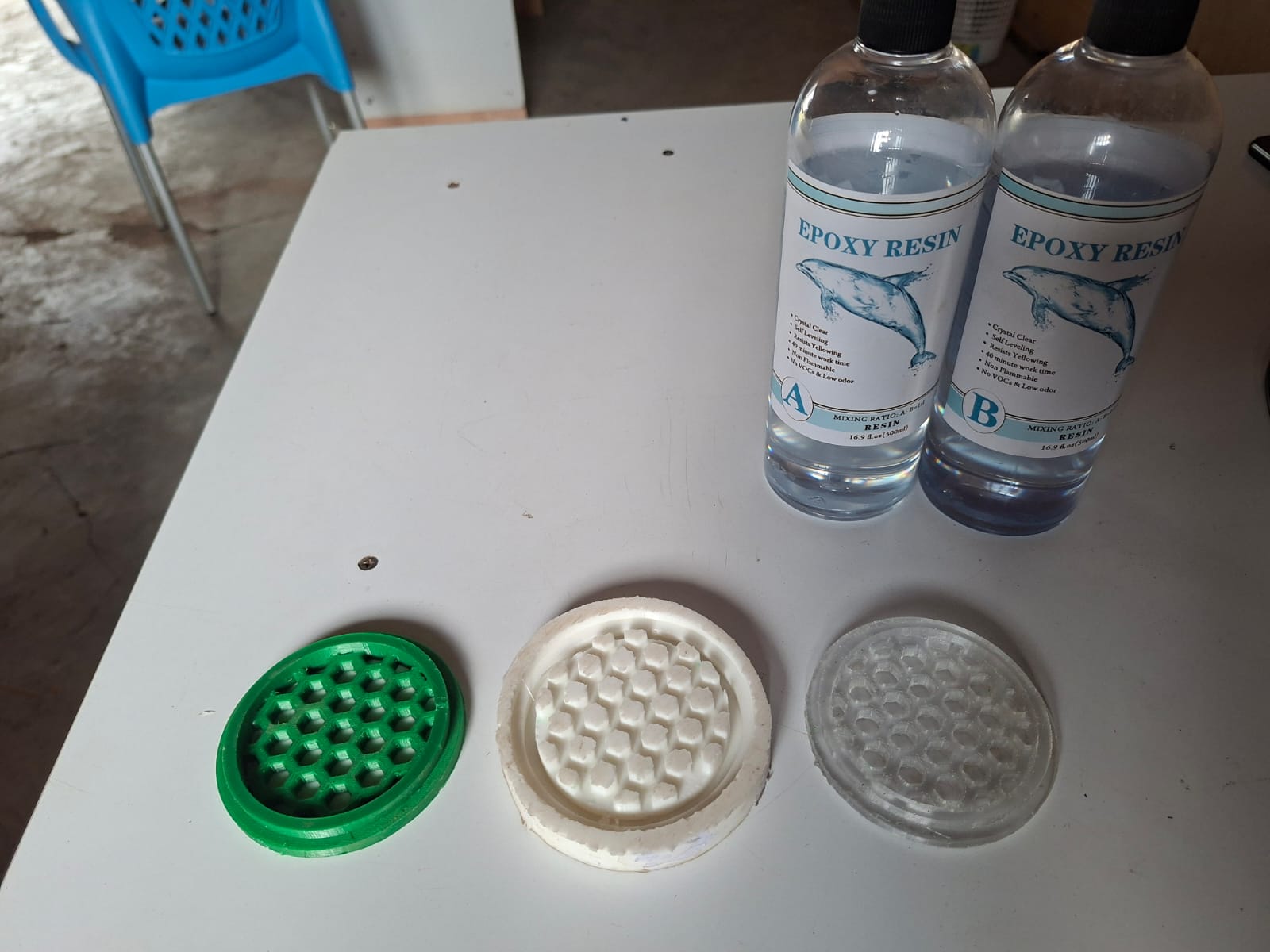
1. Personal Protective Equipment (PPE)
- Wear chemical-resistant gloves selected according to the resin and hardener SDS.
- Wear chemical splash goggles when measuring, mixing, and pouring.
- Wear protective clothing to prevent skin contact.
2. Safe Handling
- Work in a well-ventilated area.
- Avoid direct contact with uncured resin and hardener.
- Avoid breathing vapours or mists.
- Mix the components according to the manufacturer’s instructions.
- Keep the material away from food and drinks.
- Wash hands thoroughly after handling. Do not clean epoxy from skin using solvents.
3. Storage
- Keep both components in their original, clearly labelled, tightly closed containers.
- Store in a cool, dry place away from direct sunlight and excessive heat.
- Keep the resin and hardener separate until use.
- Follow the manufacturer’s storage and shelf-life instructions.
4. First Aid
- Skin contact: Remove contaminated clothing and wash the affected skin with soap and water. Seek medical advice if irritation or an allergic reaction develops.
- Eye contact: Rinse cautiously with clean running water for at least 15 minutes. Seek prompt medical attention.
- Inhalation: Move to fresh air and seek medical assistance if symptoms occur or persist.
- Ingestion: Rinse the mouth with water. Do not induce vomiting unless instructed by a medical professional. Seek medical advice.
5. Spill Management and Disposal
- Avoid direct contact with spilled resin or hardener.
- Wear appropriate PPE and follow the product SDS when cleaning spills.
- Prevent uncured components from entering drains, soil, or waterways.
- Collect contaminated absorbents in a suitable container for appropriate disposal.
- Do not pour unused resin or hardener into household drains.
- Dispose of uncured and cured epoxy waste according to the manufacturer’s instructions and applicable local requirements.
General Workshop Safety Requirements
The following precautions apply when working with either material:
- Read the product label and official Safety Data Sheet before use.
- Keep the workspace clean and well ventilated.
- Wear suitable gloves and eye protection.
- Avoid skin and eye contact with uncured chemicals.
- Keep materials in labelled containers.
- Ensure access to clean running water for emergency rinsing.
- Report spills and accidents promptly.
- Follow the manufacturer’s instructions and applicable workplace safety requirements.
Supplier
Silicone Molds Kenya — Official Website
The supplier’s website currently lists silicone rubber and Crystal Clear Epoxy Resin 1:1 among its products.
Test Casts
The next part of the group assignment was to make test casts using the selected materials.
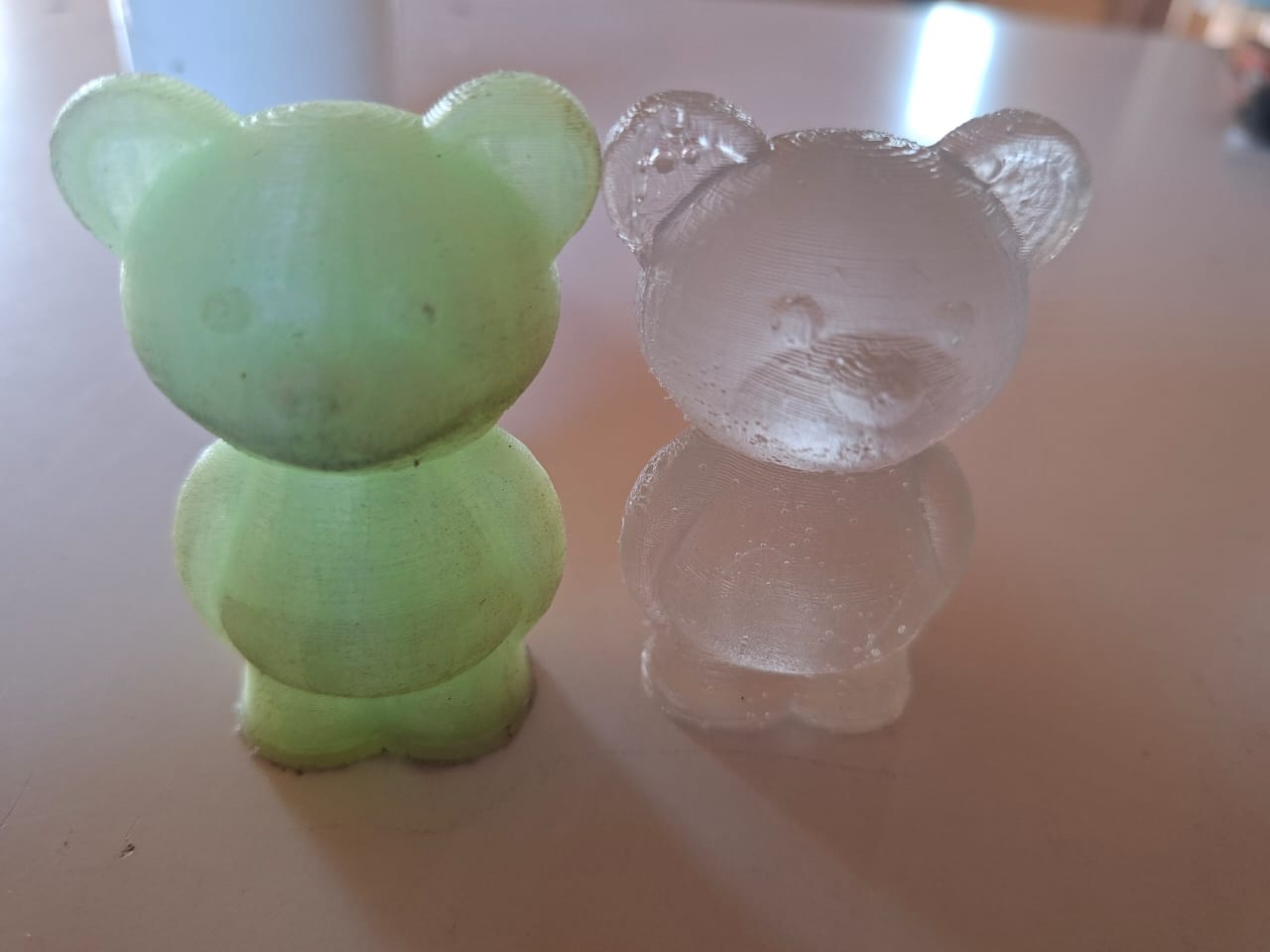
My mold with silicon rubber and epoxy resin.
The RTV-820 silicone rubber was mixed at the specified 100:3 by weight ratio and used to produce a mold, I then used a epoxy resin 1:1 to make the cast. Please refer to my individual page for detailed steps.
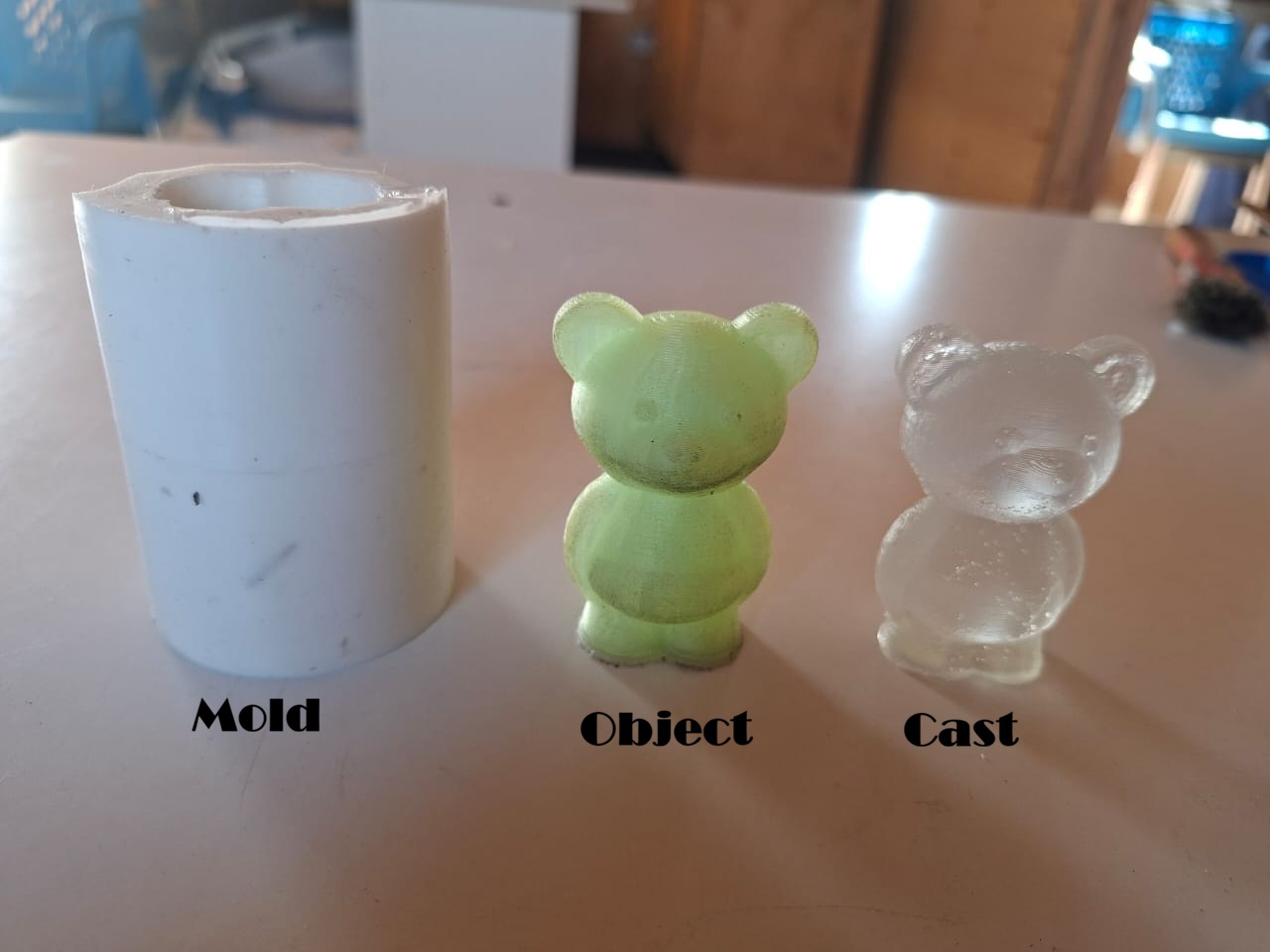
Comparison of Test Casts
After completing the tests, we compared the materials based on their practical performance.
| Property | RTV-820 Silicone Rubber | 1:1 Epoxy Resin |
|---|---|---|
| Primary use | Mold making | Casting |
| Mixing ratio | 100:3 by weight | 1:1 |
| Flexibility | Flexible | Rigid after curing |
| Surface detail | ||
| Ease of mixing | ||
| Bubble formation | ||
| Curing time | 8–10 hours according to product label | |
| Demolding | ||
| Surface finish | ||
| Final result |
The empty cells will be completed using our actual observations from the test casts.
Comparison of Mold-Making Processes
We also compared different approaches that can be used to create molds.
| Mold-Making Process | Advantages | Disadvantages |
|---|---|---|
| 3D Printed Mold | Fast to produce and easy to modify | Visible layer lines and limited by printer size |
| Silicone Mold | Flexible and capable of reproducing detailed shapes | Requires mixing and curing time |
| One-Part Mold | Simple construction and easy to make | Not suitable for every geometry |
| Two-Part Mold | Can accommodate more complex shapes | More complicated to design and assemble |
| CNC Machined Mold | Accurate and suitable for repeated production | Requires CNC equipment and additional material |
Mold-Making Process Comparison
For our practical work, we compared the process of producing a mold using a 3D-printed mold structure and producing a flexible silicone mold.
3D-Printed Mold
CAD Design
     ↓
Export STL
     ↓
3D Printing
     ↓
Post-processing
     ↓
Ready for Casting
Silicone Mold
Prepare Model/Mold
       ↓
Measure Silicone
       ↓
Calculate Hardener
       ↓
Mix
       ↓
Remove Air Bubbles
       ↓
Pour
       ↓
Cure
       ↓
Demold
The 3D-printed approach allowed the mold structure to be produced directly from the digital design, while silicone provided a flexible mold that could reproduce the shape and be removed more easily from detailed geometries.
Group Assignment Conclusion
The group assignment allowed us to compare molding and casting materials through practical experimentation.
We worked with:
- RTV-820 silicone rubber at a 100:3 by-weight ratio
- Crystal Clear Epoxy Resin at a 1:1 ratio
We also investigated different mold-making approaches and compared their advantages and limitations.